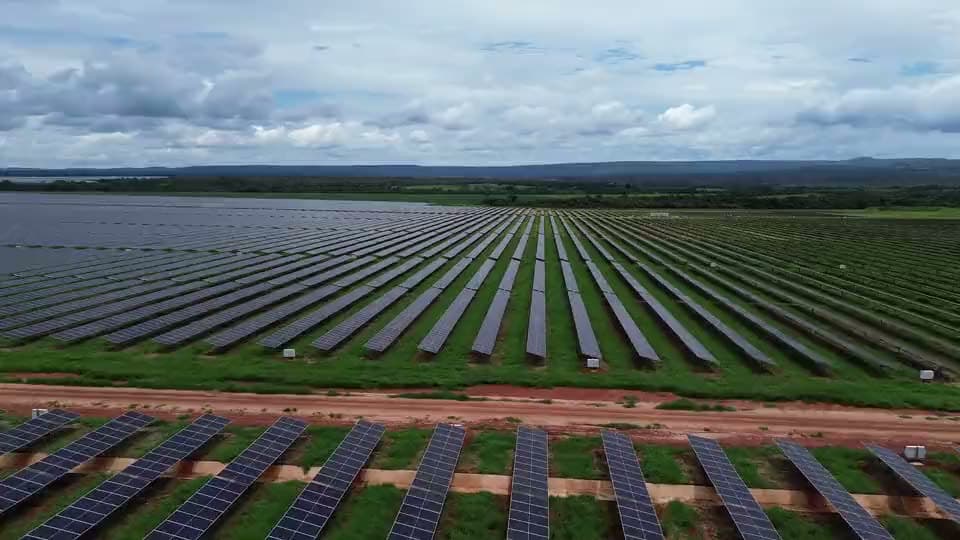
Your partner to achieve your renewable energy goal. We advise, finance, train, transform.
Our Clients Trust Us With What Matters Most
A 10 GW+ consulting portfolio and 300 MW+ of open access projects, across 26 clients.
- KPMG

- EY
- Kirloskar Brothers

- Cummins India

Powering Businesses with End-to-End RE Solutions
Whether you are looking to reduce cost, deploy battery storage, build an energy project or secure project financing, our experts provide the strategic consultancy and technical guidance to help you make confident, future-ready energy decisions.
Battery, BESS & Renewable Energy Consulting
- Battery Design & Manufacturing
- BESS Design & Engineering
- Technology Evaluation
- Vendor & Product Due Diligence
Policy, Regulatory & Government Affairs
- Regulatory & Policy Advisory
- Government Scheme & Incentive Advisory
- PM-KUSUM Advisory
- Tender & Bid Support
Financial, Investment & Commercial Advisory
- Financial Modelling & Project Economics
- Bankability & Financing Advisory
- RE + BESS Sizing
- Energy Cost Optimization
RE & BESS Upskilling Programs
- Renewable Energy Fundamentals
- BESS Fundamentals & Applications
- BESS Design & Engineering
- Renewable Energy + BESS Integration
Why Wudmin.
Every recommendation comes out of live procurement, sizing and vendor evaluation work on projects being built right now. The person leading that work has spent twenty years doing it, not reviewing it.
Led by a practitioner
20+ years across storage, renewable energy and project delivery, on projects the founder has run himself.
Advisory built from live project workflows
Recommendations come out of real procurement, sizing and vendor evaluation work on projects currently under construction.
One team, start to finish
Site evaluation and technology selection through tendering and execution support, handled by one team.
Deep technical grounding
Battery chemistry, BMS and EMS architecture, and India's evolving manufacturing landscape.
Proven track record
10 GW+ consulting portfolio, 300 MW+ open access projects, 10,000+ professionals trained.
Recognized industry leadership
Top 100 Net Zero Leaders of India and the Open Access Champion Award.

Recognized among India's Top 100 Net Zero Leaders, Certified Master Trainer under the Skill Council for Green Jobs, and a member of the national Curriculum Committee for the Solar PV sector.
Amit Rane
Founder & MD · B.Tech (Electrical), MBA
Supporting industries of every scale with RE solutions
See the full client roster- Manufacturing & Industrial
- Automotive & Electric Mobility
- Commercial Real Estate
- Professional Services & Consulting
- Education & Research Institutions
- Government & Municipal Bodies
- Media & Publishing
- Chemicals & Process Industries
- Power Utilities & IPPs
Solutions from kW to GW.
The record as it stands in the firm's own project documents. Capacities are the figures Wudmin advised on, not the market's.